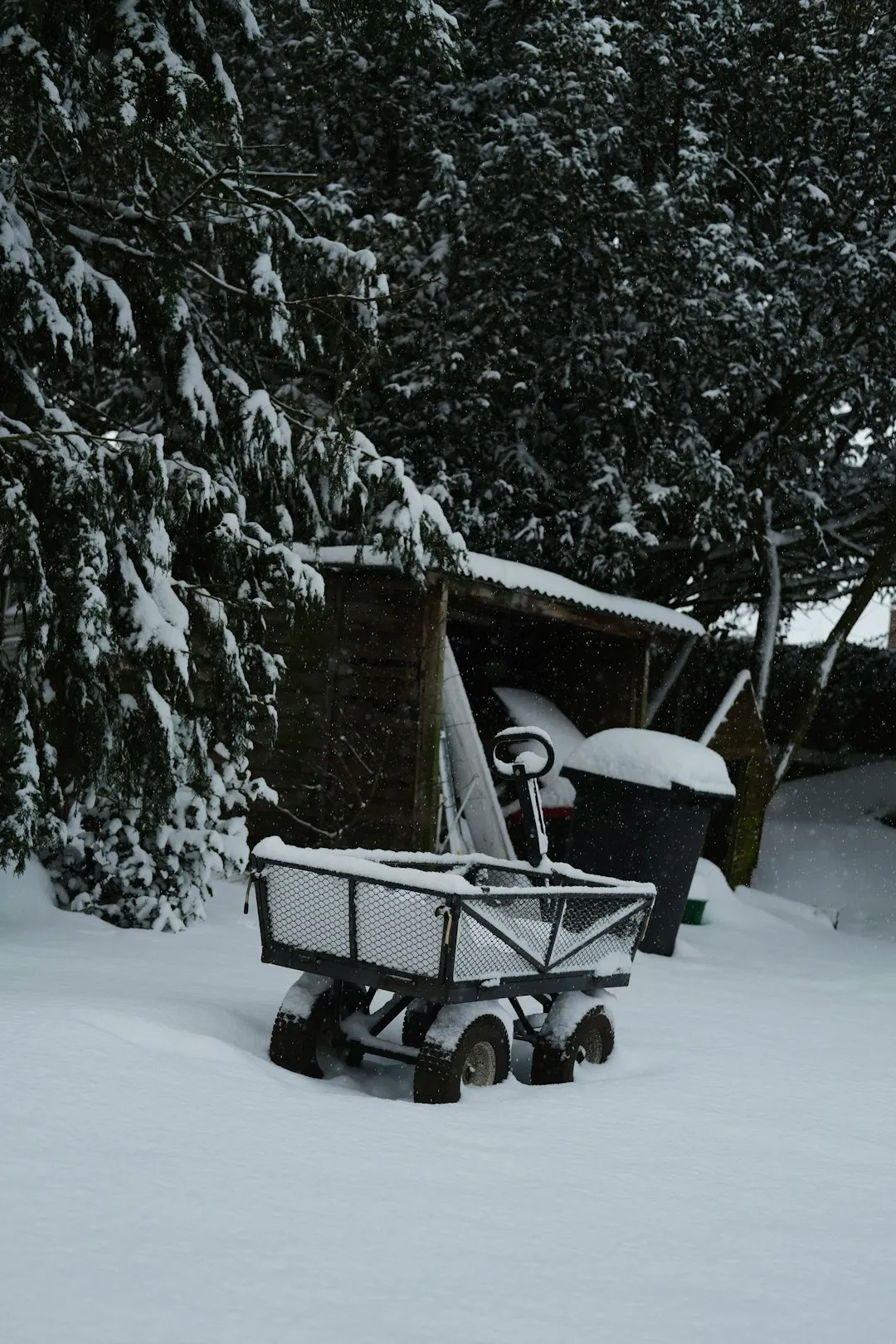
As the chill of December sets in, it might seem like the gardening season is over. However, there are several simple yet crucial tasks you can complete to ensure that your edible and ornamental plants not only survive but thrive through the colder months. Taking care of your yard during this time is like giving your plants a warm blanket and a good meal to fortify them against the harsh winter.
One of the first steps in December garden care is to clean up the debris. Fallen leaves, dead branches, and spent annuals can harbor pests and diseases. Rake up the leaves and gather the branches, then dispose of them properly. You can compost the leaves if they are disease - free, which will create a valuable resource for your garden in the future. Removing the spent annuals also prevents the spread of any potential infections and gives your garden a neat appearance.
Pruning is another essential task. For ornamental shrubs and trees, light pruning can be done in December. Remove any damaged, diseased, or crossing branches. This helps to improve the plant's structure and allows for better air circulation, which is important in preventing fungal diseases. When pruning, use sharp and clean tools to make clean cuts. For fruit trees, winter pruning can stimulate new growth in the spring and improve fruit production. However, be careful not to over - prune, as this can stress the tree.
Protecting your plants from the cold is vital. For tender plants, you can use mulch to insulate the soil around their roots. A layer of 2 - 3 inches of organic mulch, such as straw, shredded bark, or leaves, can help to keep the soil temperature more stable. This is especially important for edible plants like strawberries, which can be damaged by freezing temperatures. You can also cover sensitive plants with frost blankets or burlap. These covers act as a shield against the cold wind and frost, providing an extra layer of protection.
Watering is often overlooked in winter, but it is still necessary. Although the plants are dormant, they still need some moisture. Check the soil regularly, especially during dry spells. Water the plants deeply but infrequently. Over - watering can lead to root rot, especially in cold and wet conditions. Make sure the water reaches the root zone, and avoid watering in the evening when the water may freeze on the plant surfaces.
Inspecting your garden for pests and diseases is also a good idea in December. Look for signs of insect eggs, fungal growth, or other problems. If you find any issues, take appropriate measures. For example, you can scrape off insect eggs from branches or use natural pest control methods. Early detection and treatment can prevent the problems from getting worse in the spring.
For edible plants, you can plan ahead for the next growing season. December is a great time to order seeds and start planning your garden layout. Consider the sunlight requirements, spacing, and companion planting of different vegetables and herbs. You can also start some seeds indoors, such as lettuce and spinach, in a sunny window. This will give you a head start on the growing season and allow you to enjoy fresh produce earlier.
Finally, don't forget to maintain your garden tools. Clean and sharpen your pruning shears, shovels, and other tools. Store them in a dry place to prevent rusting. Well - maintained tools will last longer and make your gardening tasks easier in the future.
In conclusion, December is not a time to neglect your yard. By completing these simple garden tasks, you can help your edible and ornamental plants weather the colder months well. Your efforts now will pay off in the form of a healthy and beautiful garden come spring.
New