As the seasons change and the chill of winter approaches, it's crucial to take proactive steps to care for your yard. Winterizing your lawn and lawn mower is not just a task; it's an investment in the health and beauty of your outdoor space. In this article, we'll explore everything you need to know to properly prep your yard for the cold winter months.
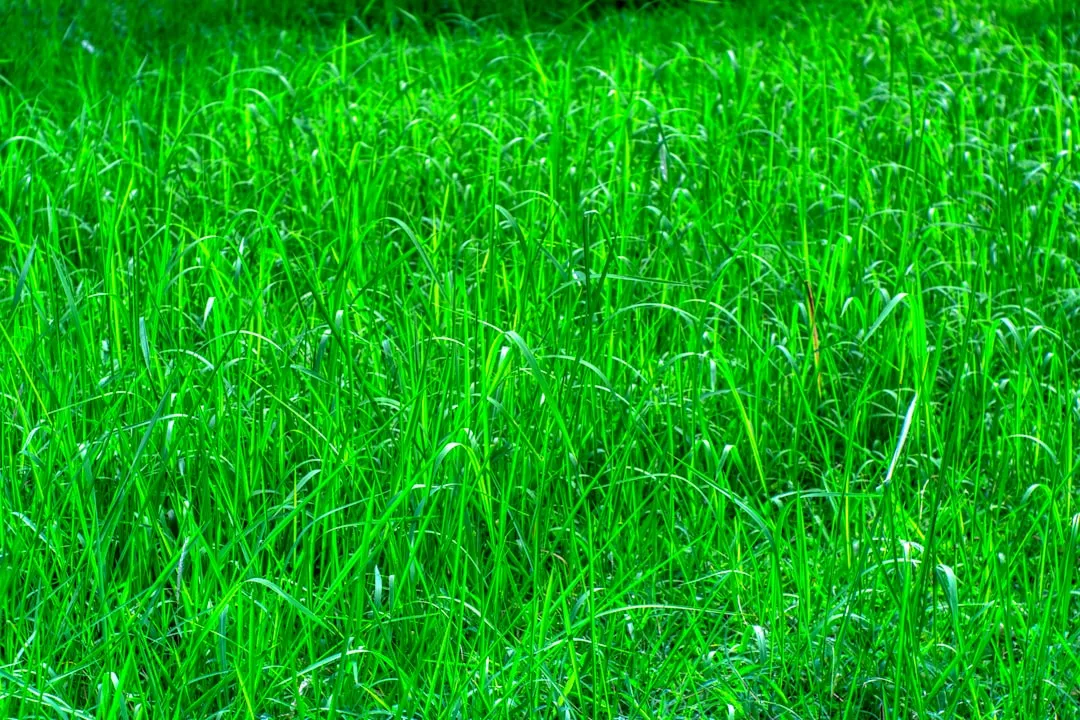
First and foremost, let's talk about lawn care. One of the key steps in winterizing your lawn is to give it a proper clean - up. Fallen leaves can smother your grass, preventing it from getting the necessary air and sunlight. Use a rake or a leaf blower to clear away the leaves from your lawn. This not only helps in maintaining the health of the grass but also reduces the risk of diseases that can thrive under a layer of damp leaves.
Next, consider aerating your lawn. Over time, the soil in your lawn can become compacted, making it difficult for water, air, and nutrients to reach the grass roots. Aerating involves creating small holes in the soil, which allows for better penetration of these essential elements. You can use a manual or a mechanical aerator, depending on the size of your lawn. After aerating, it's a good idea to apply a winter fertilizer. A winter fertilizer is rich in potassium, which helps the grass to withstand the cold temperatures and develop a strong root system.
Another important aspect of winterizing your lawn is mowing it at the right height. As the weather cools down, you should gradually lower the cutting height of your lawn mower. However, avoid cutting the grass too short, as this can expose the roots to the cold and increase the risk of damage. Aim to keep the grass at a height of about 2 - 2.5 inches during the winter months.
Now, let's shift our focus to the lawn mower. Proper maintenance of your lawn mower is essential to ensure its longevity and performance. Start by draining the fuel from the mower. Old fuel can gum up the engine and cause problems when you try to start the mower in the spring. If your mower has a fuel shut - off valve, turn it off and run the engine until it stops to use up the remaining fuel in the carburetor.
Clean the mower thoroughly. Remove any grass clippings, dirt, and debris from the deck, blades, and engine. You can use a brush or a pressure washer for this task. Inspect the blades for any signs of damage or dullness. If the blades are dull, sharpen them or replace them. Dull blades can tear the grass instead of cutting it cleanly, which can lead to a less healthy lawn.
Check the oil level in the engine and change it if necessary. Fresh oil helps to lubricate the engine and prevent wear and tear. Also, inspect the air filter. A dirty air filter can restrict the airflow to the engine, reducing its efficiency. Replace the air filter if it's dirty.
Store your lawn mower in a dry and protected place. A garage or a shed is an ideal location. You can also cover the mower with a tarp to protect it from dust and moisture. This will help to prevent rust and other forms of damage during the winter months.
In addition to lawn and mower care, you can also take some steps to protect other elements of your yard. For example, if you have outdoor plants, consider covering them with burlap or frost blankets. This can help to insulate them from the cold and prevent frost damage. Trim any dead or damaged branches from trees and shrubs to reduce the risk of them breaking under the weight of snow or ice.
By following these steps, you can ensure that your yard is well - prepared for the winter. A well - winterized yard will not only look better but also be healthier and more resilient when spring arrives. So, don't wait until the first snowfall; start winterizing your yard and lawn mower today!
New