Edible gardening has gained significant popularity in recent years, and one herb that stands out for its dual nature is borage. This remarkable plant can be both a beautiful ornamental addition to your garden and a versatile culinary herb. In this article, we will explore the essential tips for growing borage in your garden.
### Understanding Borage
Borage, scientifically known as Borago officinalis, is an annual herb native to the Mediterranean region. It is easily recognizable by its star - shaped blue flowers and hairy leaves. The plant can grow up to 2 - 3 feet tall, adding a splash of color and texture to any garden space. Historically, borage has been used for various medicinal purposes, but it has also found its way into kitchens around the world.
### Choosing the Right Location
One of the first steps in growing borage is selecting the appropriate location. Borage thrives in full sun but can tolerate partial shade. It prefers well - drained soil with a pH level between 6.0 and 7.0. If your soil is heavy clay, consider amending it with organic matter such as compost or aged manure to improve drainage. A raised bed can also be an excellent option for growing borage, as it provides better control over soil conditions.
### Planting Borage
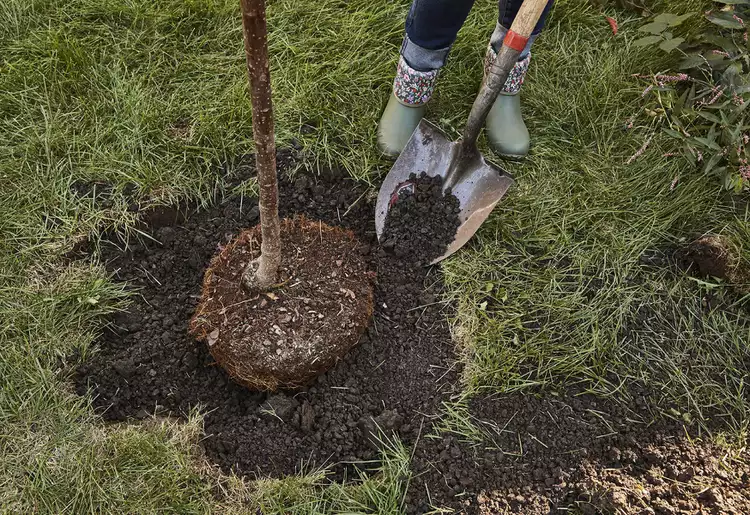
Borage can be grown from seeds. You can start the seeds indoors about 4 - 6 weeks before the last frost date in your area. Fill seed trays with a good quality seed - starting mix and plant the seeds about 1/4 inch deep. Keep the soil moist but not waterlogged. Once the seedlings have developed a few sets of true leaves, they can be transplanted outdoors.
Alternatively, you can directly sow borage seeds in the garden after the danger of frost has passed. Scatter the seeds on the prepared soil surface and lightly cover them with a thin layer of soil. Space the seeds about 12 - 18 inches apart to allow the plants enough room to grow. Water the area gently to ensure good seed - to - soil contact.
### Watering and Fertilizing
Borage is a relatively drought - tolerant plant, but it still requires regular watering, especially during dry spells. Water the plants deeply once or twice a week, rather than giving them frequent shallow waterings. This encourages the roots to grow deeper into the soil, making the plant more resilient.
As for fertilizing, borage doesn't need a lot of extra nutrients. A light application of a balanced organic fertilizer at the time of planting is usually sufficient. Avoid over - fertilizing, as this can lead to excessive foliage growth at the expense of flower production.
### Pruning and Maintenance
Pruning borage is not strictly necessary, but it can help keep the plant in shape and encourage bushier growth. You can pinch off the tips of the stems when the plant is young to promote lateral branching. Deadheading the spent flowers can also prolong the blooming period and prevent the plant from self - seeding too aggressively.
Keep an eye out for pests and diseases. Borage is generally resistant to most common garden pests, but it can sometimes be affected by aphids or powdery mildew. If you notice any signs of infestation or disease, you can use organic pest control methods such as neem oil or insecticidal soap.
### Culinary Uses of Borage
One of the most exciting aspects of growing borage is its culinary potential. The leaves of borage have a mild cucumber - like flavor, making them a great addition to salads, sandwiches, and cold drinks. You can also use the leaves to make pesto or add them to soups and stews for a unique flavor twist.
The flowers of borage are not only beautiful but also edible. They can be used as a garnish for desserts, cocktails, or salads. Floating a few borage flowers in a glass of lemonade or champagne adds a touch of elegance and a subtle flavor.
### Ornamental Value
In addition to its culinary uses, borage is a wonderful ornamental plant. The bright blue flowers attract bees, butterflies, and other pollinators to your garden, making it a valuable addition to any pollinator - friendly landscape. The plant's upright growth habit and hairy leaves also add an interesting texture to flower beds and borders.
### Conclusion
Growing borage in your garden is a rewarding experience. Whether you're looking to add a beautiful ornamental plant or a versatile culinary herb to your collection, borage fits the bill. By following these essential tips for planting, caring, and using borage, you can enjoy the many benefits this amazing plant has to offer.
New