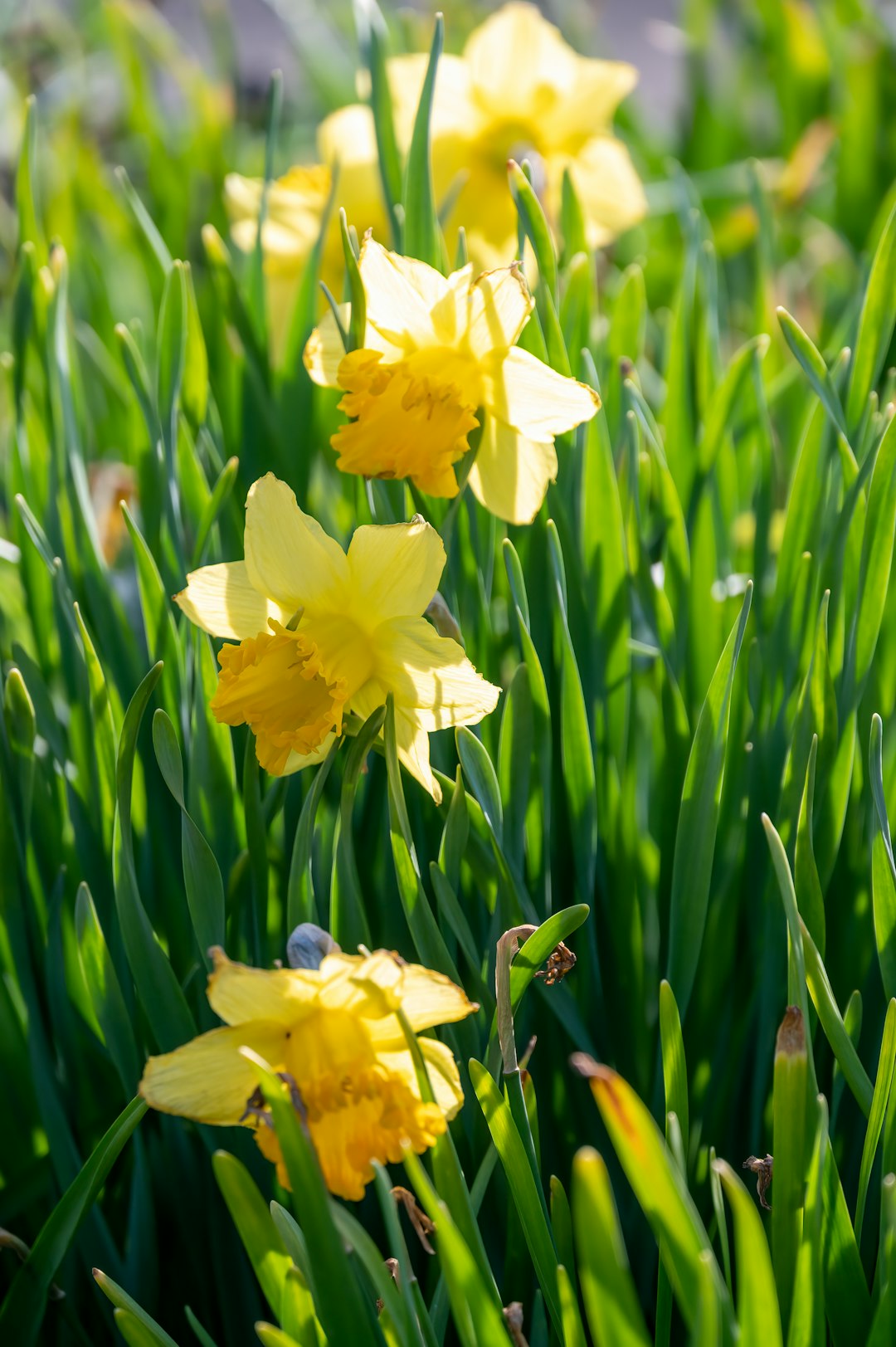
After your daffodils finish blooming, what you do (and don't do) can significantly impact the quality of their display in the following year. Daffodils are a beloved spring flower, known for their bright colors and charming appearance. To ensure a spectacular show next year, here are some essential tips.
First, it's crucial to understand the lifecycle of daffodil bulbs. After blooming, the daffodil plant enters a phase where it focuses on storing energy in the bulb for the next growing season. This is why it's important not to cut back the foliage too soon. The leaves are like little solar panels, capturing sunlight and converting it into energy through photosynthesis. If you cut the leaves back immediately after the flowers fade, the bulb won't receive enough energy to produce a strong bloom next year.
So, how long should you leave the foliage? A good rule of thumb is to let the leaves turn yellow and wither naturally. This usually takes about six weeks after the flowers have finished blooming. During this time, you can still enjoy the greenery in your garden, and the bulb is busy storing up nutrients. Once the leaves have turned yellow, you can gently remove them. Be careful not to pull too hard, as this could damage the bulb.
Another important aspect is watering. After the daffodils have bloomed, they still need a certain amount of moisture to keep the bulb healthy. However, you don't want to over - water them. Over - watering can lead to bulb rot, which is a common problem in daffodils. Check the soil regularly. If it feels dry to the touch, give the plants a good soak. But make sure the soil has good drainage to prevent water from pooling around the bulbs.
Fertilizing is also key. After the blooming period, apply a balanced fertilizer to the soil around the daffodils. This will provide the necessary nutrients for the bulb to grow and develop. Look for a fertilizer with a ratio of nitrogen, phosphorus, and potassium that is suitable for bulbs. You can follow the instructions on the fertilizer package for the correct application rate. Applying fertilizer at the right time will help the bulbs build up their energy reserves and produce larger, more vibrant flowers next year.
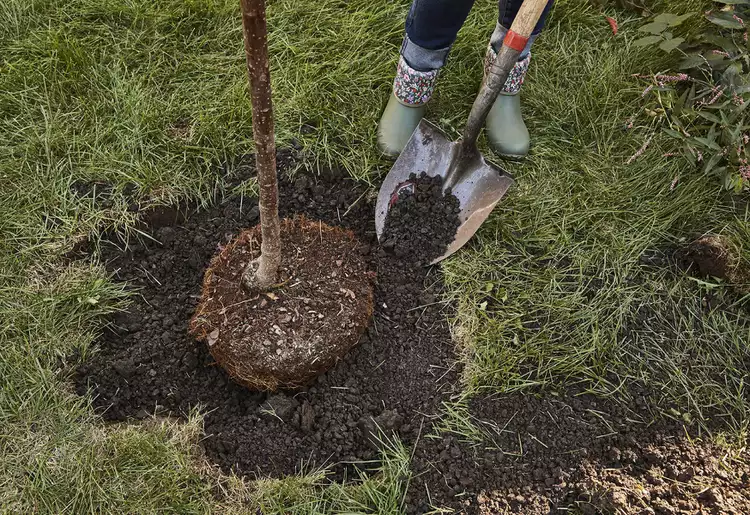
When it comes to dividing daffodil bulbs, it's best to do this every few years. Over time, daffodil bulbs can become overcrowded, which can lead to smaller blooms. To divide the bulbs, wait until the foliage has completely died back. Then, carefully dig up the bulbs using a garden fork. Gently separate the bulbs, making sure each one has some roots attached. Replant the bulbs at the appropriate depth, usually about two to three times the height of the bulb. This will give them enough space to grow and thrive.
It's also important to protect the bulbs from pests and diseases. Common pests that can affect daffodils include slugs and snails. You can use natural pest control methods, such as placing crushed eggshells or diatomaceous earth around the plants to deter these pests. Diseases like bulb rot and fungal infections can be prevented by ensuring good soil drainage and proper air circulation around the plants. If you notice any signs of disease, such as discolored or mushy bulbs, remove them immediately to prevent the spread of the infection.
In conclusion, taking proper care of your daffodils after they finish blooming is essential for a spectacular show next year. By following these tips on leaving the foliage intact, watering correctly, fertilizing, dividing bulbs, and protecting against pests and diseases, you can enjoy a beautiful display of daffodils year after year. So, don't neglect your daffodils once the flowers are gone. With a little effort, you can ensure that your garden will be filled with these lovely flowers in the coming spring.
New