Bearded irises are a captivating addition to any garden, offering long - lasting and ever - multiplying blooms that can transform your outdoor space into a floral paradise. In this guide, we'll explore the essential tips and techniques to grow these beautiful perennials successfully.
### Selecting the Right Location
Bearded irises thrive in full sun. They require at least six hours of direct sunlight each day. Choose a spot in your garden that receives ample sunlight throughout the day. A south - facing or west - facing area is often ideal. The soil should be well - drained as bearded irises are prone to root rot if the soil remains waterlogged. You can improve drainage by adding organic matter such as compost or well - rotted manure to the soil. Avoid areas where water tends to pool after rainfall.
### Preparing the Soil
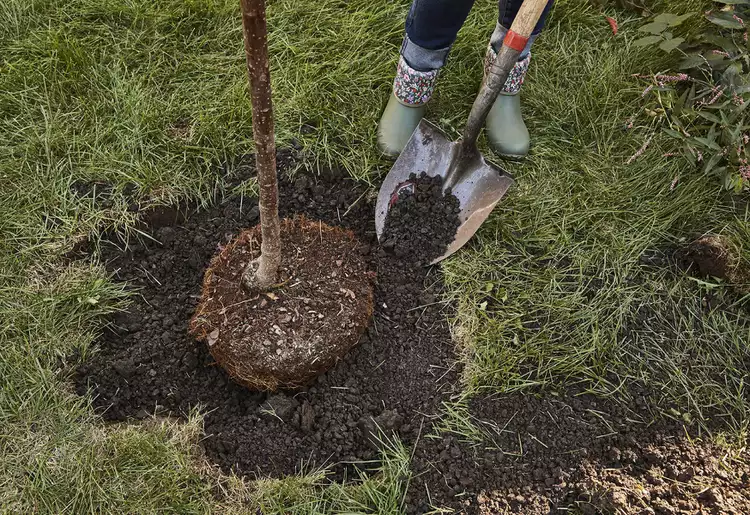
Before planting your bearded irises, it's crucial to prepare the soil properly. Start by removing any weeds, rocks, or debris from the planting area. Loosen the soil to a depth of about 12 - 15 inches using a garden fork or tiller. Incorporate a slow - release fertilizer into the soil. A balanced fertilizer with an NPK ratio of 10 - 10 - 10 is a good choice. This will provide the necessary nutrients for the irises to grow and bloom vigorously. Mix the fertilizer evenly into the soil to ensure that the roots have access to the nutrients.
### Planting Bearded Irises
Bearded irises are typically planted in late summer or early fall. When purchasing iris rhizomes, look for healthy, firm rhizomes with no signs of damage or disease. Dig a shallow hole, about 4 - 6 inches deep and wide enough to accommodate the rhizome. Place the rhizome in the hole with the roots spread out and the top of the rhizome slightly exposed above the soil surface. This helps prevent rot. Space the rhizomes about 12 - 18 inches apart to allow for proper air circulation and growth. After planting, gently firm the soil around the rhizome and water thoroughly.
### Watering
While bearded irises are relatively drought - tolerant once established, they do require regular watering during the growing season. Water deeply but infrequently to encourage deep root growth. A good rule of thumb is to water about once a week, providing about an inch of water each time. However, adjust the watering frequency based on the weather conditions. During hot, dry spells, you may need to water more often. Avoid overhead watering as this can lead to fungal diseases. Instead, water at the base of the plant.
### Fertilizing
Bearded irises benefit from regular fertilization. In early spring, apply a light application of a balanced fertilizer around the base of the plants. This will help promote healthy foliage growth. As the buds start to form, switch to a phosphorus - rich fertilizer. Phosphorus is essential for flower production. You can use a bone meal or a fertilizer with a higher middle number in the NPK ratio. Apply the fertilizer according to the package instructions and water it in well.
### Pruning and Deadheading
After the bearded irises have finished blooming, it's important to deadhead the spent flowers. This not only keeps the plant looking tidy but also redirects the plant's energy towards bulb development. Use sharp, clean pruning shears to cut the flower stalks down to the base of the plant. In the fall, after the foliage has turned yellow and died back, you can cut the leaves back to about 6 inches. This helps prevent the spread of diseases and pests.
### Dividing Bearded Irises
Bearded irises tend to become overcrowded over time, which can lead to reduced blooming. It's recommended to divide the irises every 3 - 5 years. The best time to divide them is in late summer or early fall, just after they have finished blooming. Carefully dig up the clump of irises using a garden fork. Gently separate the rhizomes, making sure each division has a healthy fan of leaves and a portion of the root system. Discard any old or damaged rhizomes. Replant the divisions following the same planting instructions as above.
### Pest and Disease Control
Bearded irises can be susceptible to a few pests and diseases. Iris borers are a common pest that can damage the rhizomes. To prevent iris borers, keep the garden clean and free of debris. Remove any dead leaves or plant material in the fall. You can also use insecticides labeled for iris borers if necessary. Fungal diseases such as leaf spot and root rot can be a problem, especially in humid conditions. To prevent these diseases, ensure proper air circulation around the plants, avoid overhead watering, and plant in well - drained soil. If you notice signs of disease, remove the affected leaves or plants immediately to prevent the spread.
By following these tips, you can enjoy long - lasting, ever - multiplying blooms of bearded irises in your garden year after year. With a little care and attention, these beautiful perennials will reward you with a spectacular display of color and fragrance.
New