American mountain ash, a remarkable native tree, holds the potential to transform gardens in cooler climates into year - round havens of beauty. This tree is not just another addition to your landscape; it is a dynamic element that offers visual interest throughout every season.
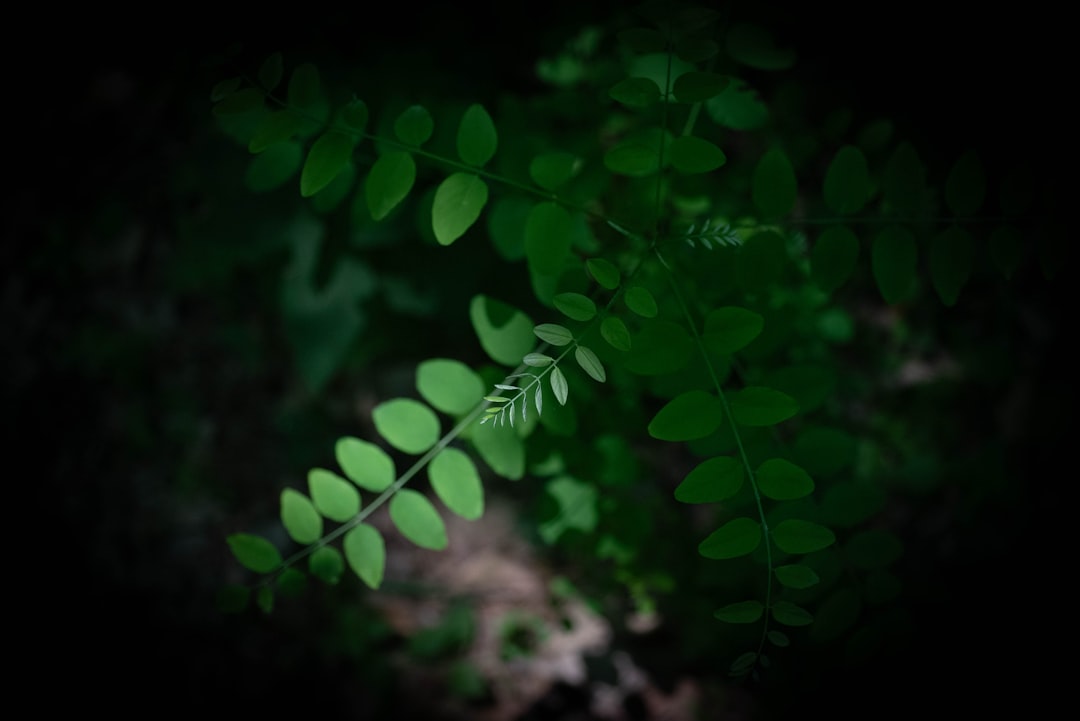
Let's start by understanding the basic characteristics of the American mountain ash (Sorbus americana). It is a deciduous tree that typically reaches a height of 15 - 30 feet, with a spread of about 10 - 20 feet. Its growth habit is upright and rounded, making it an excellent choice for small to medium - sized gardens. The tree has compound leaves, usually composed of 9 - 17 leaflets. These leaves are a vibrant green during the spring and summer months, providing a lush backdrop in the garden.
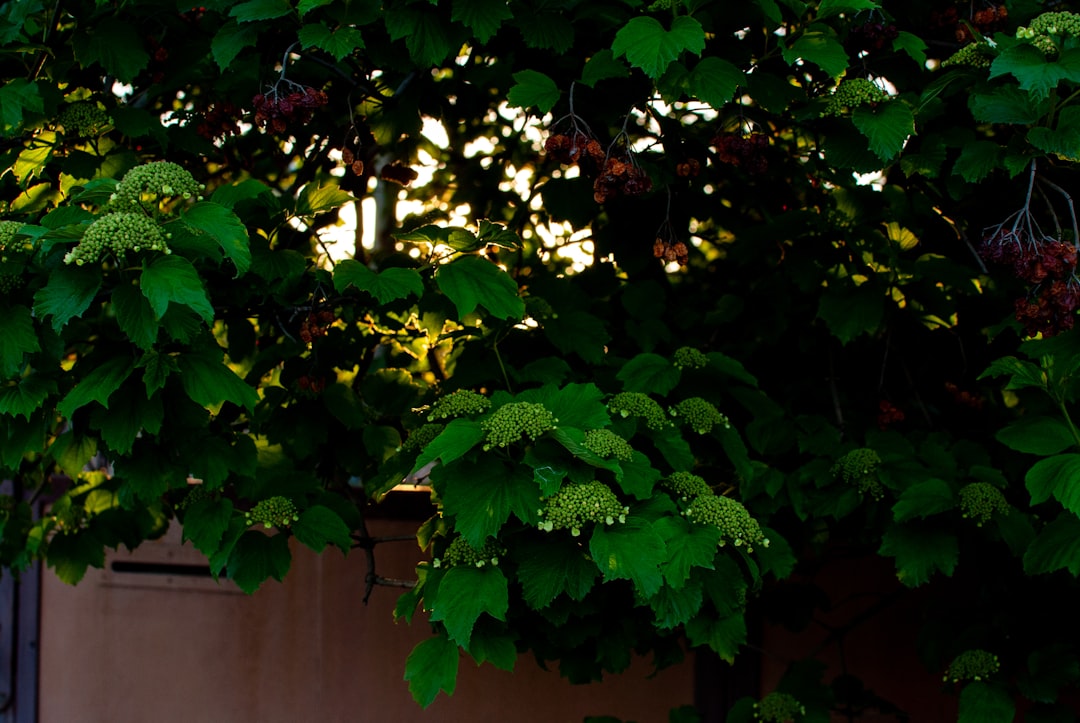
One of the most striking features of the American mountain ash is its springtime display. In late spring to early summer, it produces large clusters of white flowers. These flowers are not only visually appealing but also attract a variety of pollinators, such as bees and butterflies. The sweet fragrance of the blossoms fills the air, adding an olfactory dimension to the garden experience. As the flowers fade, they give way to small, green berries that gradually develop over the summer.
During the summer, the American mountain ash continues to be a focal point. The compound leaves provide dappled shade, creating a cool and inviting area beneath the tree. This makes it a great spot for a small bench or a reading nook. The tree's foliage also serves as a habitat for various birds and insects, contributing to the overall biodiversity of the garden.
Come fall, the American mountain ash truly shines. The leaves turn brilliant shades of yellow, orange, and red, creating a spectacular color show. The berries, which have now ripened to a bright red, stand out against the colorful foliage. These berries are not only a feast for the eyes but also an important food source for birds. Many species of birds, such as robins, cedar waxwings, and blue jays, flock to the tree to feed on the berries, adding movement and life to the garden.
In winter, when most other plants have gone dormant, the American mountain ash still has something to offer. The bare branches, with their distinctive shape, create an interesting silhouette against the winter sky. The remaining berries, if not completely eaten by the birds, add a splash of color to the otherwise dull winter landscape. They can also attract birds during the cold months when food is scarce.
Now, let's delve into how to grow American mountain ash successfully. First, choose the right location. This tree prefers full sun to partial shade. It thrives in well - drained, moist soil that is rich in organic matter. Before planting, prepare the soil by adding compost or well - rotted manure. This will improve the soil structure and provide essential nutrients for the tree's growth.
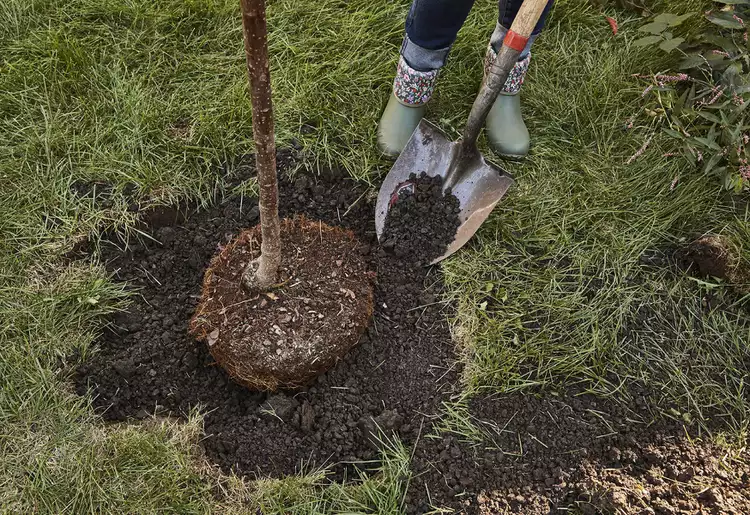
When planting the American mountain ash, dig a hole that is twice as wide and just as deep as the root ball. Gently place the tree in the hole, making sure that the top of the root ball is level with the surrounding soil. Backfill the hole with soil, tamping it down gently to remove any air pockets. Water the tree thoroughly after planting to settle the soil around the roots.
Watering is crucial, especially during the tree's first few years of growth. Keep the soil consistently moist but not waterlogged. A layer of mulch around the base of the tree can help retain moisture and suppress weeds. Apply a 2 - 3 - inch layer of mulch, such as wood chips or shredded bark, making sure to keep it a few inches away from the trunk to prevent rot.
Fertilizing the American mountain ash is also important. Apply a balanced, slow - release fertilizer in the spring, following the manufacturer's instructions. This will provide the tree with the necessary nutrients for healthy growth and abundant flowering and fruiting.
Pruning should be done in late winter or early spring, before new growth begins. Remove any dead, damaged, or diseased branches. You can also shape the tree by selectively pruning branches to maintain its desired size and form. However, avoid over - pruning, as this can stress the tree and reduce its overall health.
Like any plant, the American mountain ash is susceptible to certain pests and diseases. Common pests include aphids, borers, and sawflies. Regularly inspect the tree for signs of pest infestation, such as distorted leaves or holes in the bark. If pests are detected, you can use insecticidal soaps or horticultural oils to control them. Diseases such as fire blight and leaf spot can also affect the tree. To prevent these diseases, practice good sanitation by removing fallen leaves and branches from the ground. If necessary, apply fungicides according to the label instructions.
In conclusion, the American mountain ash is a wonderful addition to gardens in cooler climates. Its year - round beauty, from the spring flowers to the winter berries, makes it a valuable asset. By following the proper growing and care techniques, you can enjoy the many benefits that this native tree has to offer for years to come.
New