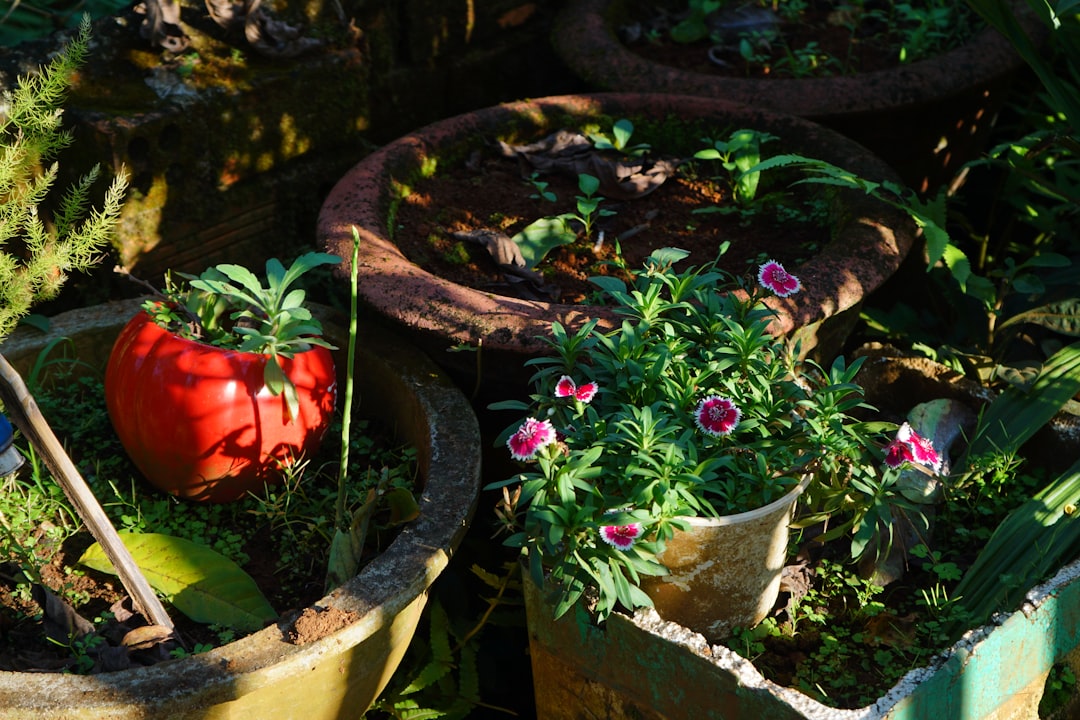
Coastal rosemary, a remarkable and resilient compact shrub, is a true gem in the world of gardening. With its brilliant spring flowers, it adds a splash of color and charm to any landscape. In this article, we will explore the essential tips for growing this wonderful plant, ensuring that you can enjoy its beauty and benefits in your own garden.
Understanding Coastal Rosemary
Coastal rosemary, scientifically known as Westringia fruticosa, is native to the coastal regions of Australia. It has adapted to thrive in harsh coastal conditions, making it a tough and durable plant. The shrub typically grows to a height of 3 - 6 feet and has a spread of about 3 - 5 feet. Its leaves are narrow, gray - green in color, and have a slightly aromatic scent, similar to traditional rosemary, though it is not in the same family.
Choosing the Right Location
One of the most crucial aspects of growing coastal rosemary is selecting the appropriate location. This plant loves full sun. It requires at least 6 - 8 hours of direct sunlight per day to grow and flower properly. A sunny spot in your garden, preferably facing south or west, would be ideal. Coastal rosemary is also tolerant of salt spray, making it an excellent choice for seaside gardens. However, it can also be grown inland as long as it gets enough sunlight and well - drained soil.
Soil Requirements
Well - drained soil is a must for coastal rosemary. It can tolerate a wide range of soil types, including sandy, loamy, and even slightly clayey soils, as long as they drain well. If your soil has poor drainage, you can improve it by adding organic matter such as compost or well - rotted manure. This will help to loosen the soil and allow water to drain away more easily. A soil pH between 6.0 and 7.5 is optimal for the healthy growth of coastal rosemary.
Planting Coastal Rosemary
When planting coastal rosemary, dig a hole that is twice as wide and just as deep as the root ball of the plant. Gently remove the plant from its container and place it in the hole. Backfill the hole with soil, firming it gently around the base of the plant. Water the newly planted shrub thoroughly to settle the soil around the roots. Space multiple plants about 3 - 5 feet apart to allow for proper air circulation and growth.
Watering
Once established, coastal rosemary is quite drought - tolerant. However, during the first few months after planting, it is important to keep the soil evenly moist. Water the plant deeply once or twice a week, depending on the weather conditions. As the plant matures, you can reduce the frequency of watering. Over - watering can lead to root rot, so it is better to err on the side of under - watering rather than over - watering.
Fertilizing
Coastal rosemary does not require heavy fertilization. A light application of a balanced, slow - release fertilizer in the spring can help to promote healthy growth and abundant flowering. You can use a fertilizer with an NPK ratio of 10 - 10 - 10 or similar. Avoid over - fertilizing, as this can cause the plant to produce excessive foliage at the expense of flowers.
Pruning
Pruning is an important part of maintaining the shape and health of coastal rosemary. You can prune the plant lightly after the flowering period to encourage bushier growth and more flowers in the following year. Remove any dead, damaged, or diseased branches. You can also shape the plant to your desired form, but be careful not to over - prune, as this can stress the plant.
Pest and Disease Control
Coastal rosemary is relatively pest and disease - resistant. However, it can sometimes be affected by aphids, spider mites, or scale insects. You can control these pests by using insecticidal soap or neem oil. Regularly inspect the plant for any signs of pests or diseases and take appropriate action promptly. In terms of diseases, root rot can be a problem if the soil is not well - drained. Ensuring proper soil drainage is the best way to prevent this issue.
Propagation
Coastal rosemary can be propagated from cuttings. Take 4 - 6 inch cuttings from healthy, non - flowering stems in the spring or summer. Remove the lower leaves from the cutting and dip the cut end in rooting hormone. Plant the cutting in a well - drained potting mix and keep it moist and in a warm, bright location. Roots should develop within a few weeks, and once the cutting has established roots, it can be transplanted into the garden.
In conclusion, growing coastal rosemary can be a rewarding experience. By following these essential tips on location, soil, watering, fertilizing, pruning, pest control, and propagation, you can enjoy the beauty of this tough and charming shrub in your garden for years to come.
New